Supporting the journey of motherhood, in style

Getting Sick Kids Back to the Things They Miss

A national alliance focused on kinder care, care closer to home, and everyday support so children can get home sooner plus simple ways we can all help.

By Courtney McIntosh

When a child is in hospital, time stretches. Days are measured in vital checks and waiting rooms rather than playgrounds and homework. Parents learn a new language of procedures and protocols, siblings spend more time in cars, and ordinary life feels further away. Hospitals United for Sick Kids was created to reduce that distance. The alliance brings together children’s hospitals, foundations and paediatric services in every Australian state and territory, with a single intention at heart: help sick kids get home, back to the things they miss.

Founded in 2019, Hospitals United for Sick Kids operates with national reach and local delivery. This model matters. It allows the team to partner with well known brands at scale, then direct funds through hospital partners who understand the most urgent needs in their community. The result is practical, targeted support that feels close to home while still benefiting from the efficiency of a national approach.

At the core of all funding decisions sit three  clear pillars. The first focuses on making time in hospital feel kinder and more familiar for children. Child Life Therapy is a powerful example. Specialists use play, preparation and age appropriate coping strategies to reduce fear. A blood test looks different when a child has been shown what to expect and given a role to play. Scan rooms become less intimidating when there is a story to follow and a sensory toolkit to draw on. Parents often report that these small, human interventions change the tone of an entire stay.

The second pillar focuses on improving treatment in hospitals. Programs that safely shorten or simplify care can make a profound difference. 

The third pillar is about bringing hospital-grade care closer to home. Families can access specialist advice and 24-hour remote nursing support, local health teams can share care more effectively, and parents have better access to education without repeated travel. For regional and remote families, fewer long trips and overnight stays translate into real savings, less disruption for siblings, and an overall sense that life is still moving forward.

The third pillar also invests in projects and research that reduce hospitalisation altogether. Neo-SETH at John Hunter Children’s Hospital is a strong example. By providing state-of-the-art equipment, hands-on training and ongoing clinical support, the program helps premature babies return home earlier and more safely. Parents are upskilled and supported, and babies spend more nights where they belong, in their own homes.
“Behind the numbers sits a simple picture of success: a child asleep in their own bed, a sibling not missing another assembly, parents eating dinner at their own table. Each action shortens the distance between hospital and home and helps a child get back to the things they miss.”

These pillars are not abstract ideas. They show up in measurable ways. Nights spent at home rather than in hospital. Hospital trips avoided through virtual consults or hospitals in the home. Lower stress recorded in patient experience surveys when Child Life Therapy is available. Over the past 6years, the alliance has directed thirteen million  dollars to seventy-seven projects, reaching an estimated four hundred and thirty-eight thousand children. The team is proudest of the breadth of that support. Every state and territory is represented, across a wide range of conditions and ages, and the work aligns to outcomes that families can feel.

There is a quiet confidence in the way Hospitals United for Sick Kids talks about impact. Dollars matter, but they are not the only measure. The alliance looks for evidence that care has become faster or closer to home. It also looks for equity. A family in a regional town should not have to carry a heavier burden simply because of geography. Part of the work has been to fund hospital-in-the-home services in multiple states. Two of these programs have been recognised in New South Wales for transforming the patient experience. Another aspect has been the creation of healing environments. A green space at Perth Children’s Hospital and a family retreat in Caboolture, funded through , give children and carers places to exhale and reclaim moments of normal life even within a hospital chapter.

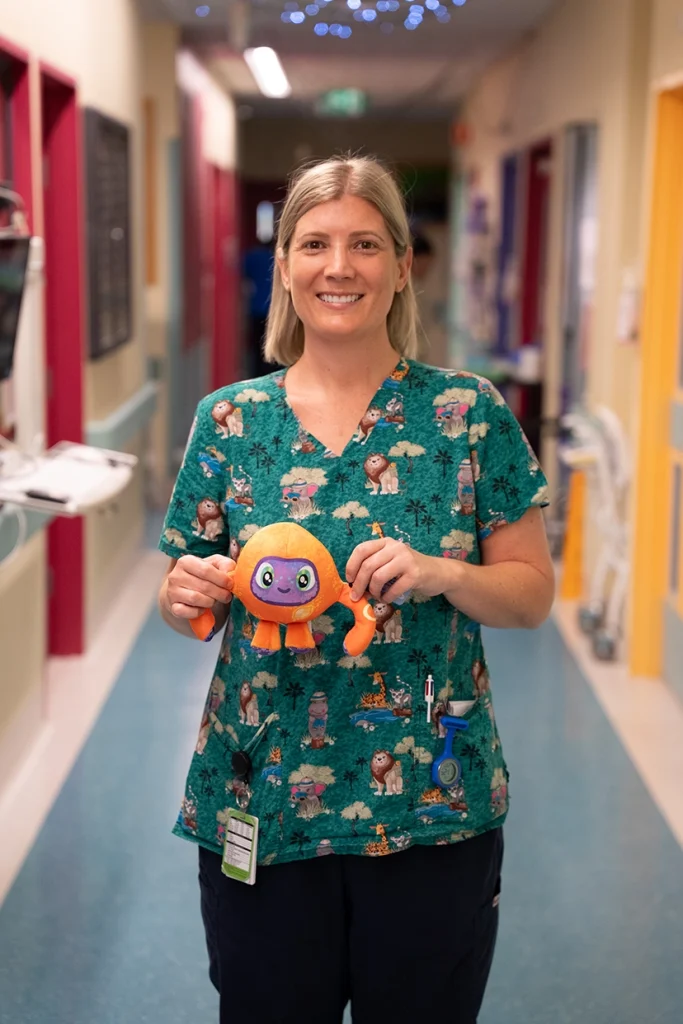
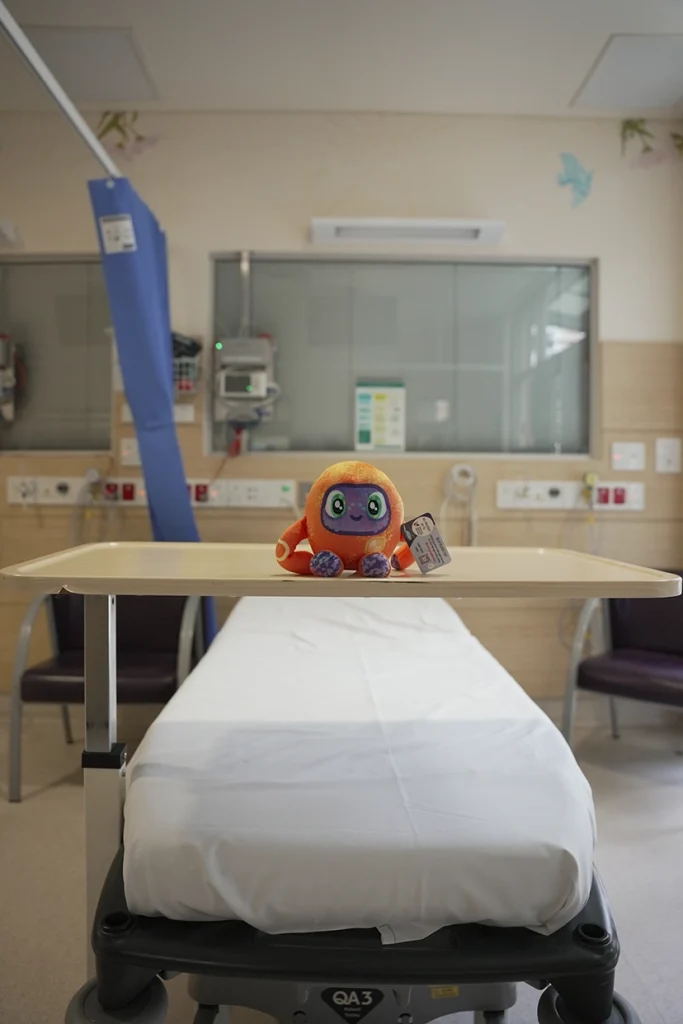
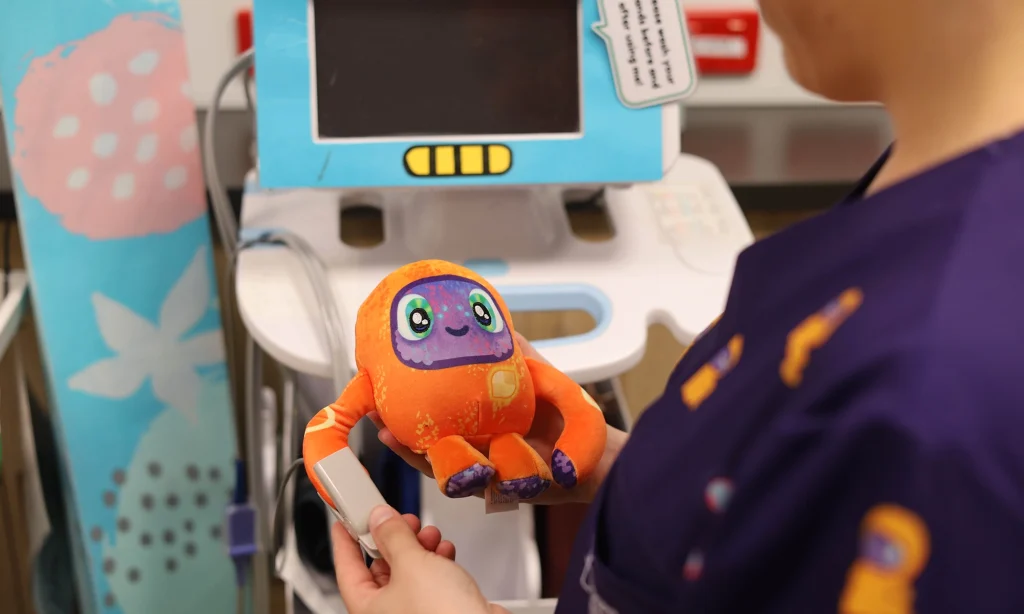
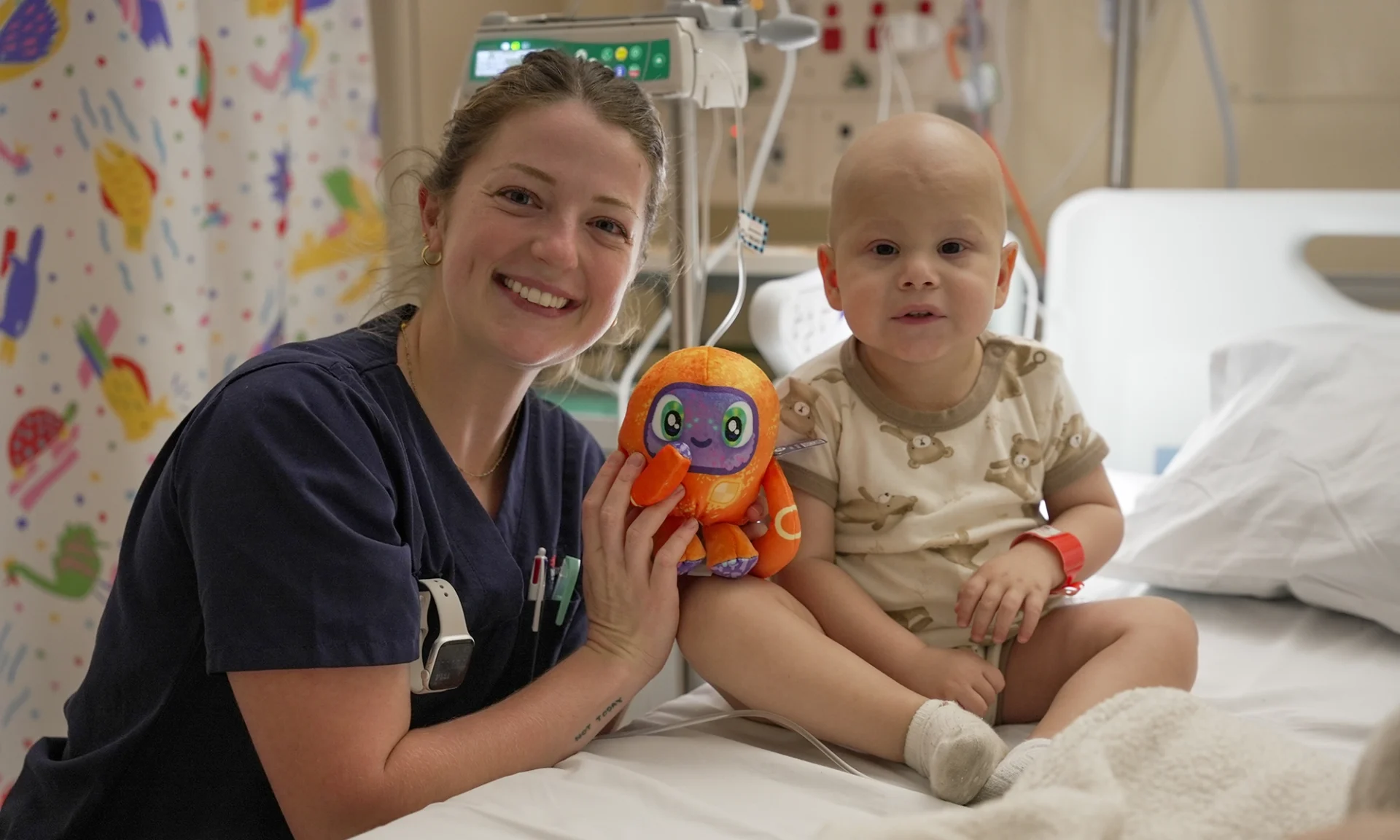
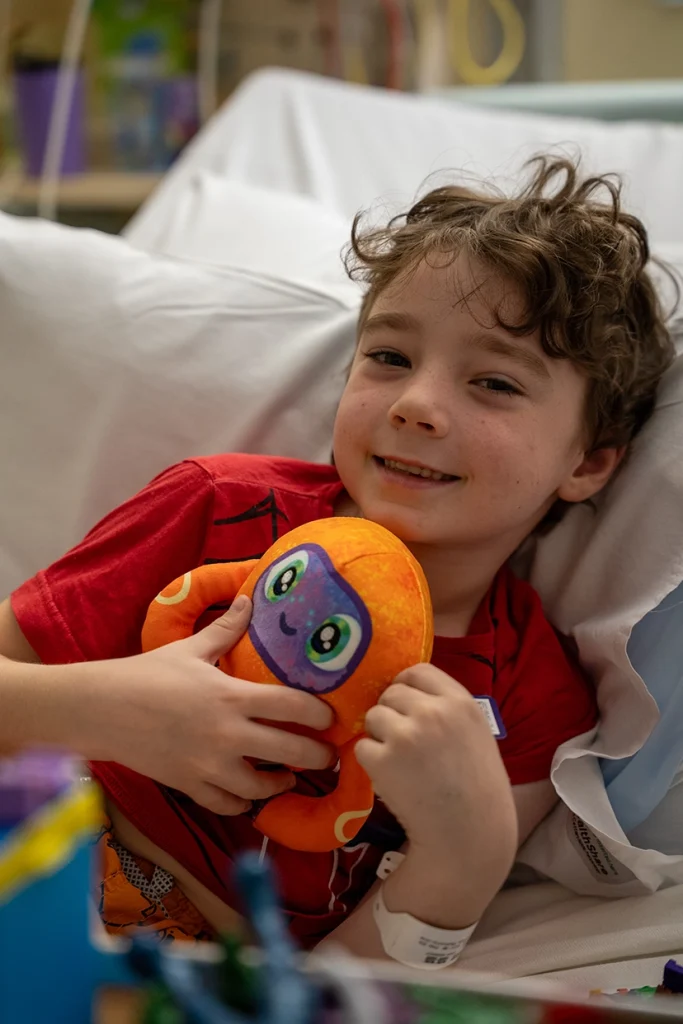
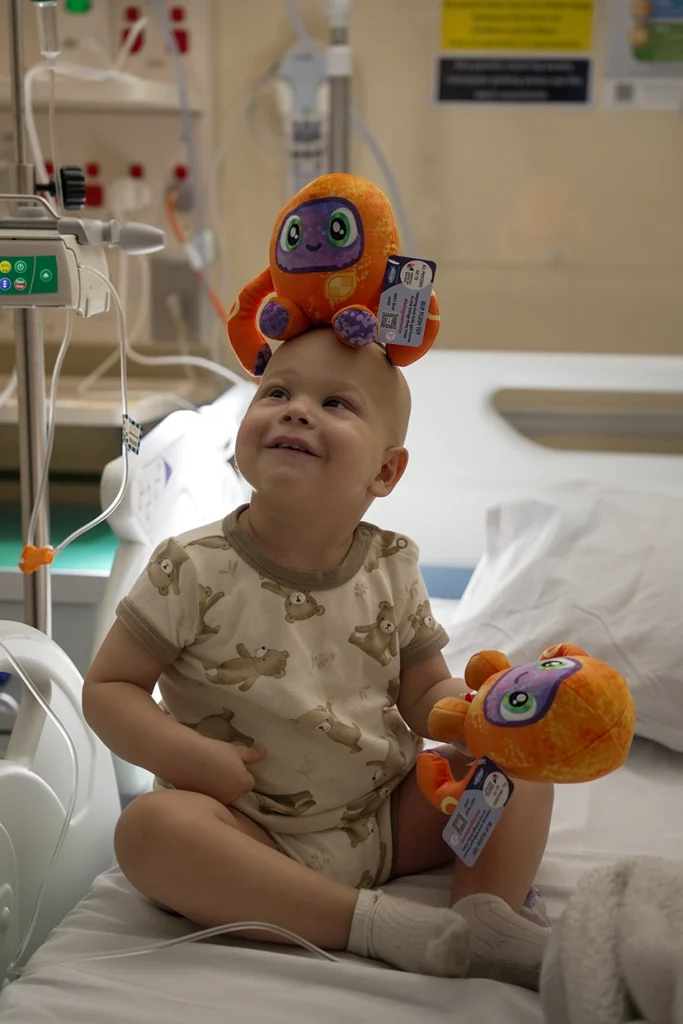
If you have seen a small orange character on a packet or shelf, you have already met Blip. Blip is the storytelling heart of Hospitals United for Sick Kids. He is not ill. He is simply a long way from home. That metaphor resonates with children and parents alike. The short film Lightyears from Home uses Blip’s journey to explain the feeling of being in hospital and the longing to return to the familiar. The character took six months to develop and now appears on giving products and as a plush toy in Toymate stores nationally. At twelve dollars, a Blip plush is an accessible way to contribute, and it often opens an important conversation in the car on the way home.

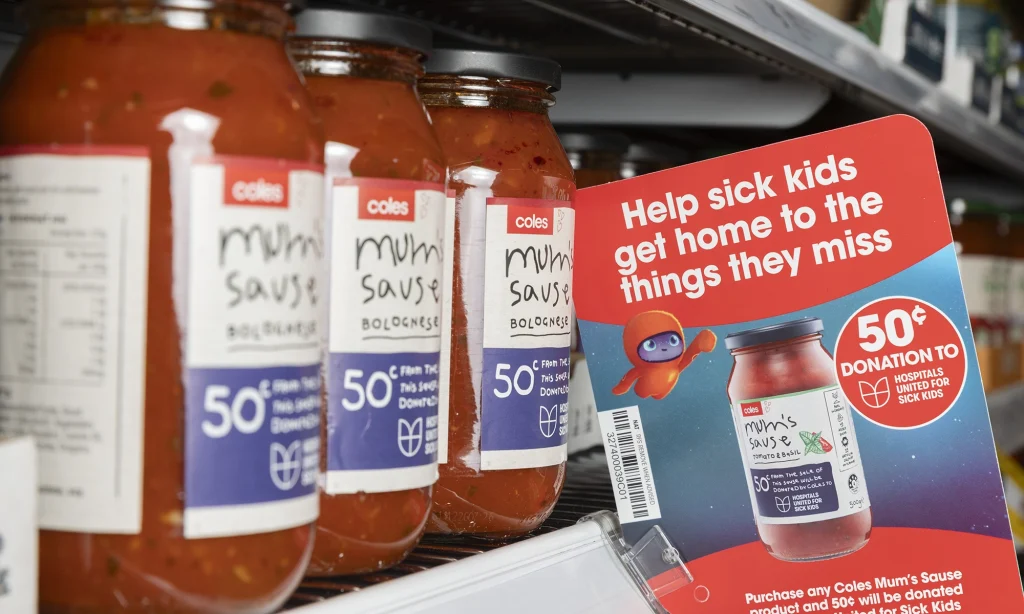
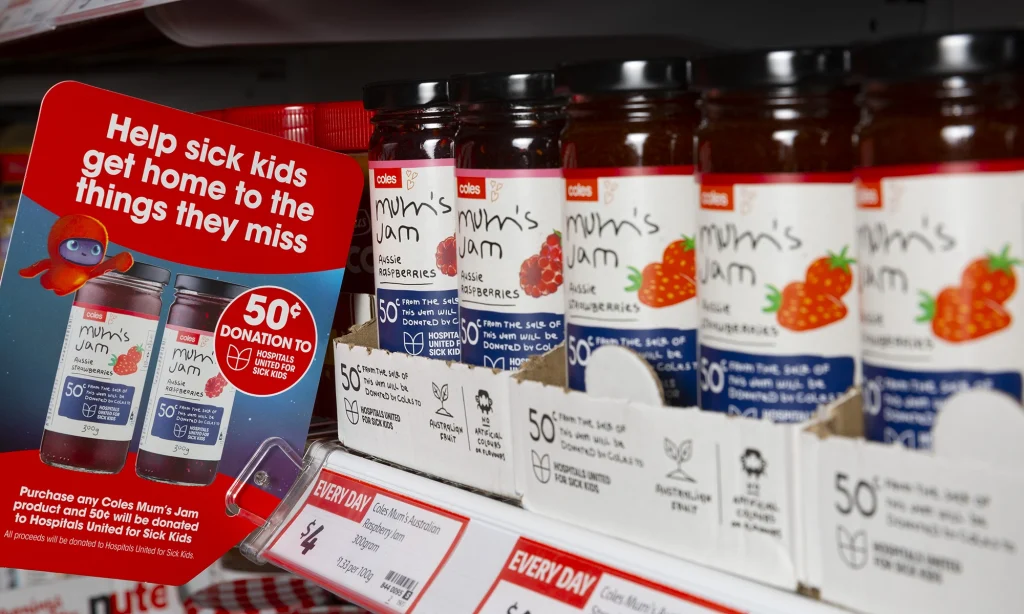
Many Australians prefer to give by shopping, and the alliance has leaned into this behaviour to create sustainable funding. Partner brands place products on shelves with a clear give-back, so everyday purchases become small acts of care. Look for the Hospitals United for Sick Kids logo, and for Blip, on packaging and in store. At Coles, the Mum’s Pasta and Pizza Sauce and Mum’s Jam ranges donate fifty cents per jar. Lowes sells bucket hats that contribute ten dollars each. Toymate sells the Blip plush for twelve dollars. Other products appear throughout the year, always signposted. Current national partners include Coles, Lowes and Toymate. Potential partners are assessed for national presence, alignment in values, and suitability for family audiences. Alcohol and gambling categories are excluded.

How you can help (simple, everyday actions)

  • Choose products that give back (look for Blip and the al logo at Coles, Lowes, Toymate and more across the year).
  • Share a post or follow along on social media to keep the conversation moving.
  • Tell one friend why Blip matters; small actions scale when communities care.

National Children’s Week is a timely moment to consider how we value childhood, and how we protect it when a hospital stay becomes part of the story. Hospitals United for Sick Kids is marking the week by celebrating kids being kids and by sharing the practical ways projects help families get back home sooner. If you would like to take part, the steps above make a real difference.

If your family is in hospital right now (small comforts that help)

Bring familiar smells by washing a favourite toy or blanket in your usual laundry liquid before packing. Choose books and games your child already knows from home. Put up photos of grandparents, pets and bedrooms near the bed to keep the connection tangible. In some hospitals, teams have created simple, child-friendly videos that explain common procedures; ask your care team what’s available on your ward. While the alliance’s funding focuses on care for sick kids rather than direct travel or accommodation grants, the flow-on relief is real: quicker treatment, kinder stays and, when safe, care at home.

Transparency is an important part of trust. Hospitals United for Sick Kids reports outcomes annually and shares partner-level impact so donors can see where funds went and what changed. The most recent five-year and FY24 impact report is available to read online, with data that counts nights at home, procedures avoided, families supported and innovations funded, a reminder that systemic change is built from many careful steps, not just headline moments.

Looking ahead (what your support builds)

By 2028, the alliance aims to raise more than forty million dollars and to place over two thousand giving products on shelves nationwide. Predictable, year-round funding allows hospitals to plan and sustain innovations, from precision dosing in paediatric oncology to rehabilitation programs that help children regain strength faster, and wraparound care for babies and families at risk, like the Cocoon program in South Australia. Behind the numbers sits a simple picture of success: a child asleep in their own bed, a sibling not missing another assembly, parents eating dinner at their own table. A hospital chapter that felt supported and understandable rather than frightening and indefinite.

If you would like to help today, start small and start close to home. Choose the jam or pasta sauce that gives back. Pick up a hat that funds a ward. Buy a Blip plush and tell your children about kids who feel a little further from home than they would like to be, and how families across Australia are helping them back. Follow the alliance and share the stories that moved you. If you are in a position to donate, consider funding a program that brings care into homes or that makes a ward feel more child-centred. Each action shortens the distance between hospital and home and helps a child get back to the things they miss.

RECOMMENDED READS